Summary
Amos 9:11-12
The End and the Beginning: This week, as we conclude our series on Amos, we will reflect on what God destroys or brings to an end, and what the new beginning looks like.
Becoming Present to God
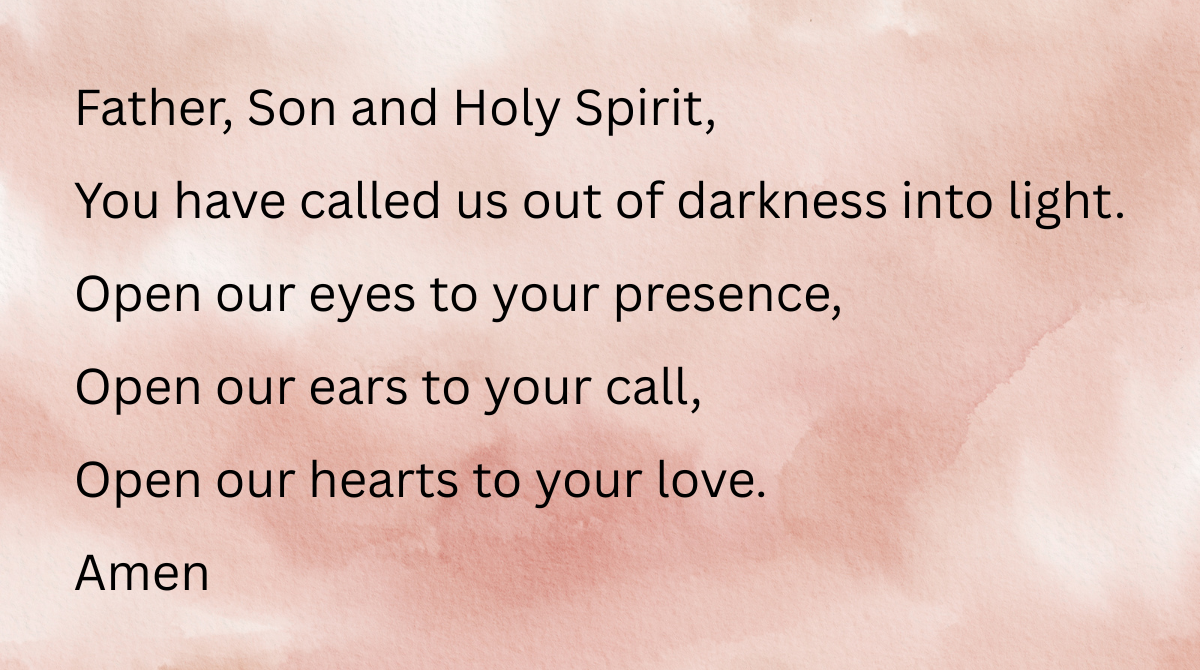
Light a candle, take some deep breaths, or sing a song, to draw your attention to God’s presence. Say this prayer together or read it to yourself.
Becoming Present to One Another
Share with one another: Where in your life are you experiencing something coming to an end? Is it a positive or negative thing? Where in your life is something new emerging? Is it a positive or negative thing?
In Conversation with the Word and Each Other
Watch Video
Read Scripture Together
Amos 9:11-12 (NKJV)
‘I will restore David’s fallen shelter –
I will repair its broken walls
and restore its ruins –
and will rebuild it as it used to be,
so that they may possess the remnant of Edom
and all the nations that bear my name,’
declares the Lord, who will do these things.
Acts 15:1-2, 12-18
15 Certain people came down from Judea to Antioch and were teaching the believers: ‘Unless you are circumcised, according to the custom taught by Moses, you cannot be saved.’ 2 This brought Paul and Barnabas into sharp dispute and debate with them. So Paul and Barnabas were appointed, along with some other believers, to go up to Jerusalem to see the apostles and elders about this question…12 The whole assembly became silent as they listened to Barnabas and Paul telling about the signs and wonders God had done among the Gentiles through them. 13 When they finished, James spoke up. ‘Brothers,’ he said, ‘listen to me. 14 Simon has described to us how God first intervened to choose a people for his name from the Gentiles. 15 The words of the prophets are in agreement with this, as it is written:
‘“After this I will return
and rebuild David’s fallen tent.
Its ruins I will rebuild,
and I will restore it,
that the rest of mankind may seek the Lord,
even all the Gentiles who bear my name,
says the Lord, who does these things”
Discuss
(Choose any or all)
After watching the video and reading these Scripture passages, what is something that resonates with you? What is something that sits uneasy with you?
“Reading Backward” is a method of interpreting Scripture where the two events are interpreted together to cast new light on each other. When you read the Amos and Acts passage together, how do they cast new light on each event? How does your understanding of the Amos passage change? In Acts, what do you see in a new way?
When thinking about The End and The Beginning it can be easy to fall into the traps of cynicism (why does any of this matter?) or certitude (I’ve figured it all out). How does it look to approach this with a posture of curiosity and humility, rather than a posture of cynicism or certitude?
Share with others a situation or event in your life where you are seeing God’s love rebuild, restore, renew, or reconcile?
Blessing
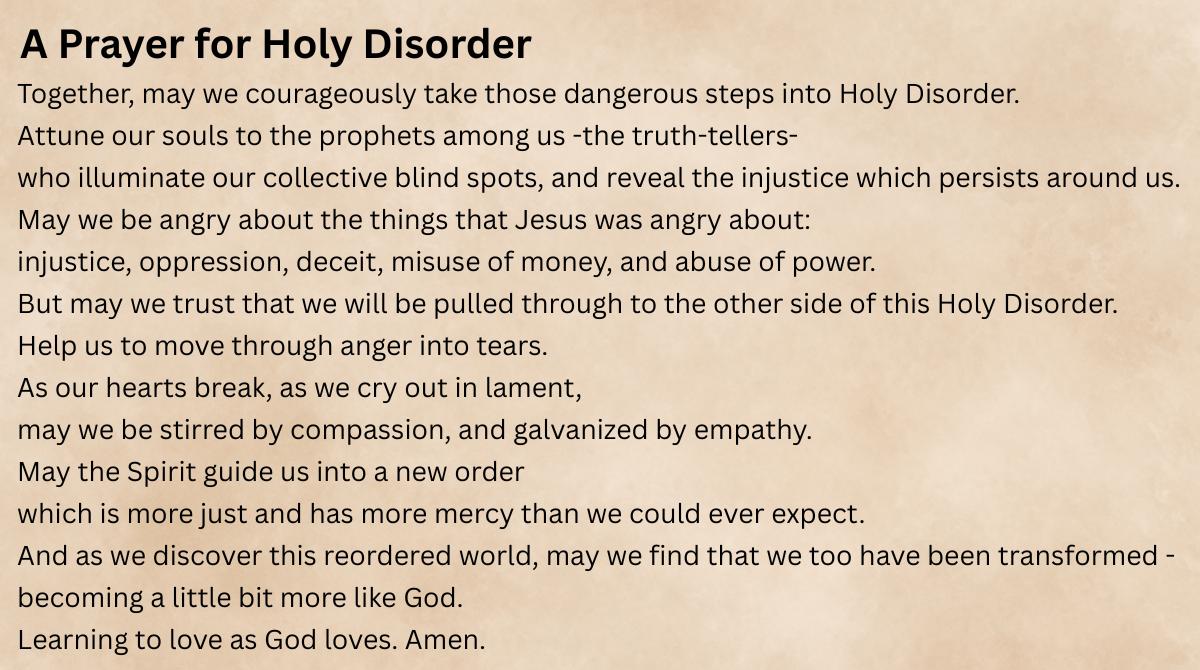
Close with someone reading the blessing over you all as the candle is blown out.

The Law Part 2: Sabbath, Festivals and Jubilee
Lesson Highlights: Within the Torah we find numerous references to rhythms of rest and celebration. God commands them to keep Sabbath, observe festivals, and hold a Jubilee year--all of which would cultivate joy, generosity, rest and justice in incredibly important ways. It’s a beautiful picture of what God was inviting the people to be together, and so this storified version of that part of the law invites kids to explore the ‘why’ of these 3 commands.
Check In Question
(Pick one or two)
What is the most fun party or celebration you have ever been to? What made it so special?
What is your favourite way to rest and relax?
Bible Story
Right now we are taking a big chunk of the Bible–three whole books!--and summing up some important things we find there. Specifically, we find God commanding the people to do 3 things that they never would have, never could have, done in Egypt.
What we want to think about together is: why?
Why would God tell the people to do these things?
Why would God tell them to… practice Sabbath?
When God first sent manna for the people in the wilderness, it came with specific directions, including this: “This is what the Lord commanded: Tomorrow will be a day of complete rest, a holy Sabbath day set apart for the Lord. So bake or boil as much as you want today, and set aside what is left for tomorrow.” Every day 7 the people stopped. They didn’t collect manna at all.
And then just a bit later here’s a little more on how this is meant to work. Listen for who is included in this practice. Exodus 20:10 says “The seventh day is a Sabbath day of rest dedicated to the Lord your God. On that day no one in your household may do any work. This includes you, your sons and daughters, your male and female servants, your livestock, and any foreigners living among you.”
These few books mention Sabbath 40 times! That’s quite a lot. Which leads us back to our big question: why? Why would God tell them to practice Sabbath?
(Need a hint? Think about what kind of work the people did back then. Think about what work was like in Egypt. Think about what else you know about what God’s like.)
Why would God tell them to… hold festivals?
See, weekly Sabbath leads to something else. Listen to this verse from Leviticus 23:4 “In addition to the Sabbath, these are the Lord’s appointed festivals, the official days for holy assembly that are to be celebrated at their proper times each year.”
Festivals happened throughout the year and they were for everyone in the community, including servants and foreigners, and then often involved bringing offerings of food. A little bit of the food was given to God, as a way to remember and act out that God gave it to them first.
The rest became a meal for everyone to share together. Each festival celebrated or remembered something unique, and together they were a regular part of the year. It’s similar to how we might break up the year by holidays.
Back to our big question: why? Why would God tell them to hold festivals?
(Need a hint? Think about what might have made them afraid and how festivals may help with that. Think about who God’s people were invited to be–would this help? How? Think about what the group would be like if they did this together year after year.)
Why would God tell them to… have Jubilee?
Ok, we have one more command to talk about–the superest Sabbath of them all, the festivest festival of them all–Jubilee.
Jubilee was meant to happen every 49 years and was also known as the Freedom Year. There were lots of pieces to this. If in the past 48 years a family had needed to sell their land along the way to survive, in the Jubilee year, they would get the land back. If a person had needed to become a servant because they had no money, they would be freed. Even the land would rest–no one would plant things and people would eat whatever grew up on its own. It was a great big reset for whole community.
So the question we want to talk about again is: why? Why would God tell them to have a Jubilee year every 49 years?
(Need a hint? Think about what might happen without Jubilee. Think about what God hoped Israel would be or do for the world. Do you see any connection between Jubilee and the Exodus?)
You know what all 3 of these things–Sabbath, festivals, and Jubilee–have in common? They ain’t happening in Egypt.
There isn’t regular rest, collective celebrations where no one is left out, or built-in ways to escape debt, slavery, or poverty in the way life is structured in Egypt. Without God’s commands, the people might simply have continued doing things the way they had always known, adopting the practices of the culture around them. But that wouldn’t shape them into a community that reflected who God is. God is a life-giving, freedom-bringing, radically inclusive kind of God. And so God gives them practices that bring life, create freedom, and make room for everyone to belong.
Wonder Questions
I wonder…
What they did together on a Sabbath day? What do you like to do on a rest day?
What you would put on the menu if you were in charge of a festival?
What kind of practices could you, your family or our church do now that would be similar to sabbath, festivals and Jubilee?
KEY QUESTION: Every Bible story tells us at least one thing about who God is or what God is like. What did you notice this time?
Activity
Tic Tac Flip
Since Festivals were an ancient near eastern variation on a party–play a party game!
Supplies: Paper, pencils, two plastic cups
Set Up: Create a tic tac toe grid on a full sheet of paper. Divide into two teams and give each a pencil and cup.
Play: On ‘Go’, both teams go head-to-head, flipping their cups and trying to land them right-side up – when someone does, they earn the right to claim a spot on the tic tac toe board. Then the next member of the team steps up to the cup. The first team to get 3 in a row wins.
Or play any other group “minute to win it” or “party” style game
A Handful of Ways to Rest
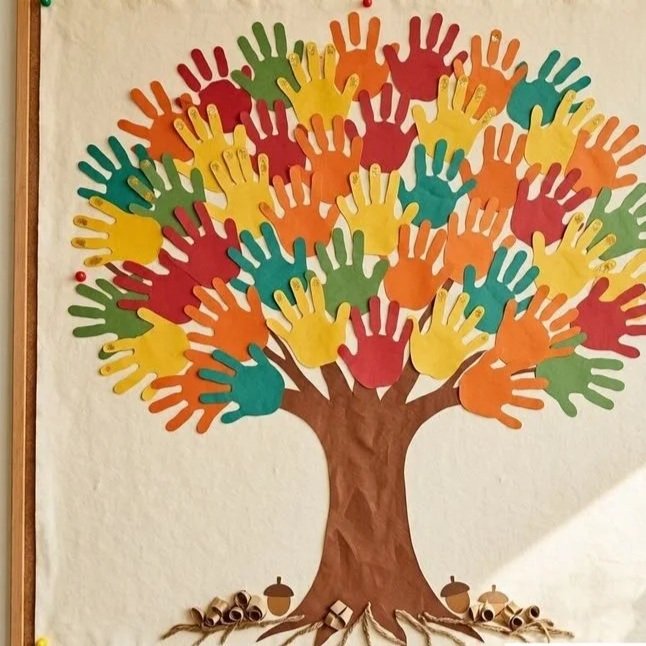
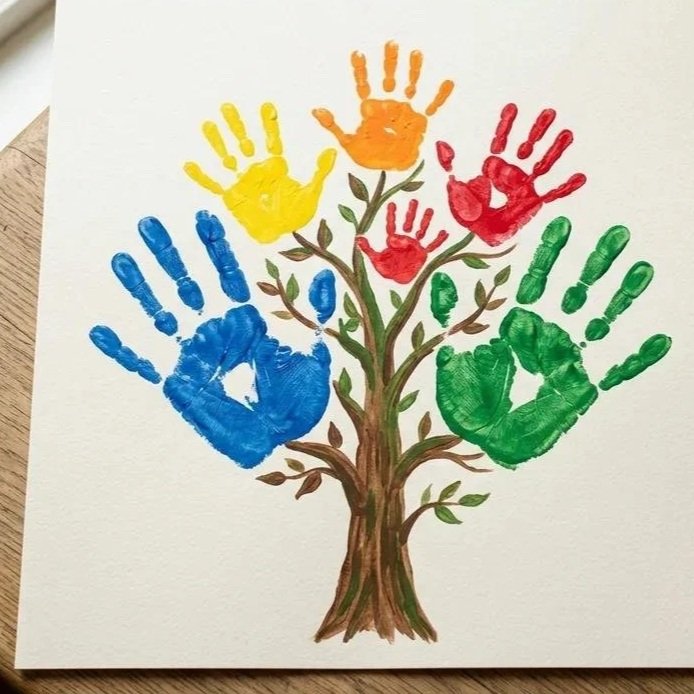
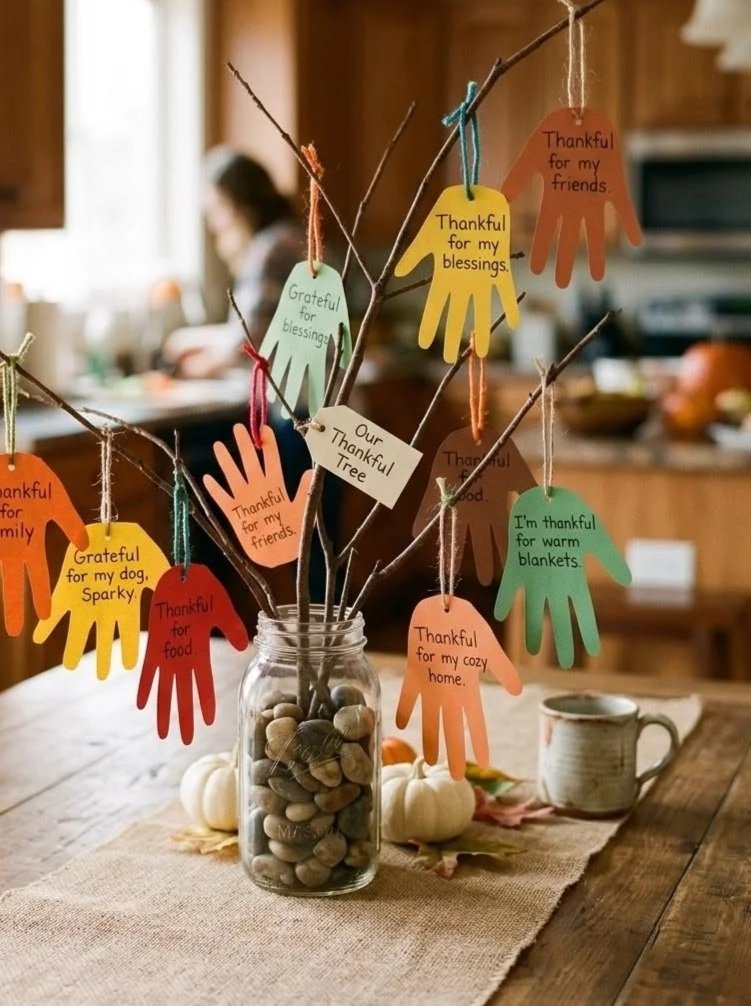
Trace each family member's hand on colourful paper or paint hands to make hand prints. Inside each hand, write or draw something that helps them rest or feel refreshed.
Put all the hands together into a family tree.
Prayer
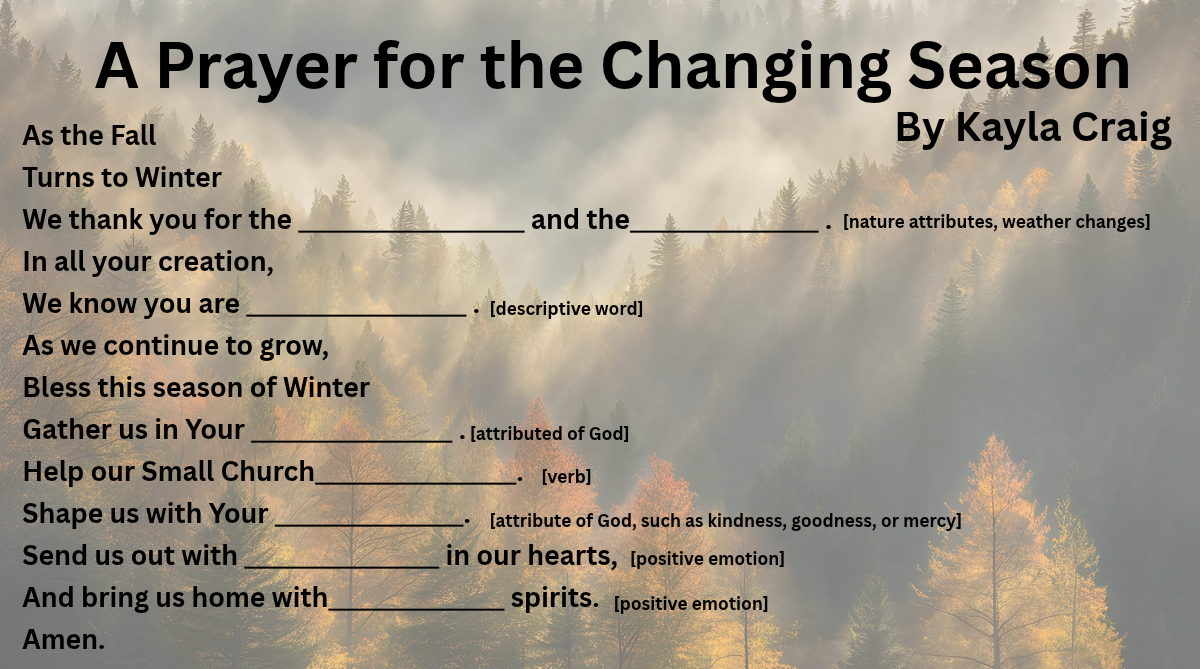
As we enter into the winter season and the start of Advent, I invite your Small Church to write a prayer together.
Using the prayer below fill in the blanks together ahead of time like a mad-lib and then pray it together.